
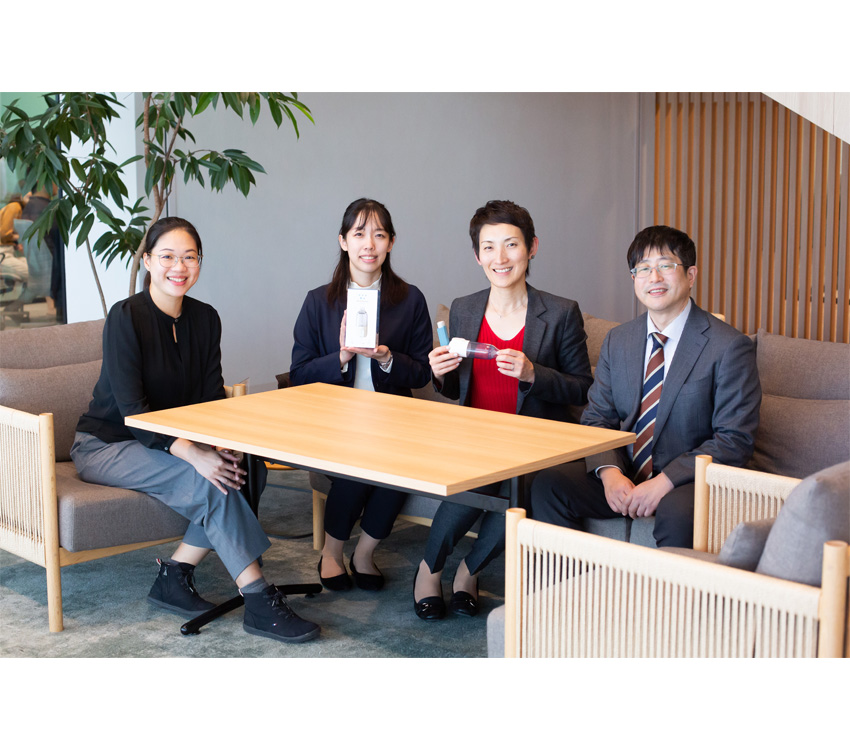
A partnership between a Singaporean startup and a Japanese imaging CRO to tackle challenges surrounding inhaled drug therapies
Open innovation networks serve as a meeting place for players with diverse solutions, while offering unique opportunities for overseas startups to forge partnerships that facilitate market entry into Japan.
Among the international members of i2.JP with aspirations of providing their unique solutions to Japanese patients is Meracle, a startup from Singapore. In collaboration with Micron, Inc. since 2024, Meracle has been leveraging Micron’s expertise and track record in supporting medical device startups overseas, to introduce the “WhizzSpacerTM,” an innovative inhalation aid device, to the Japanese market.
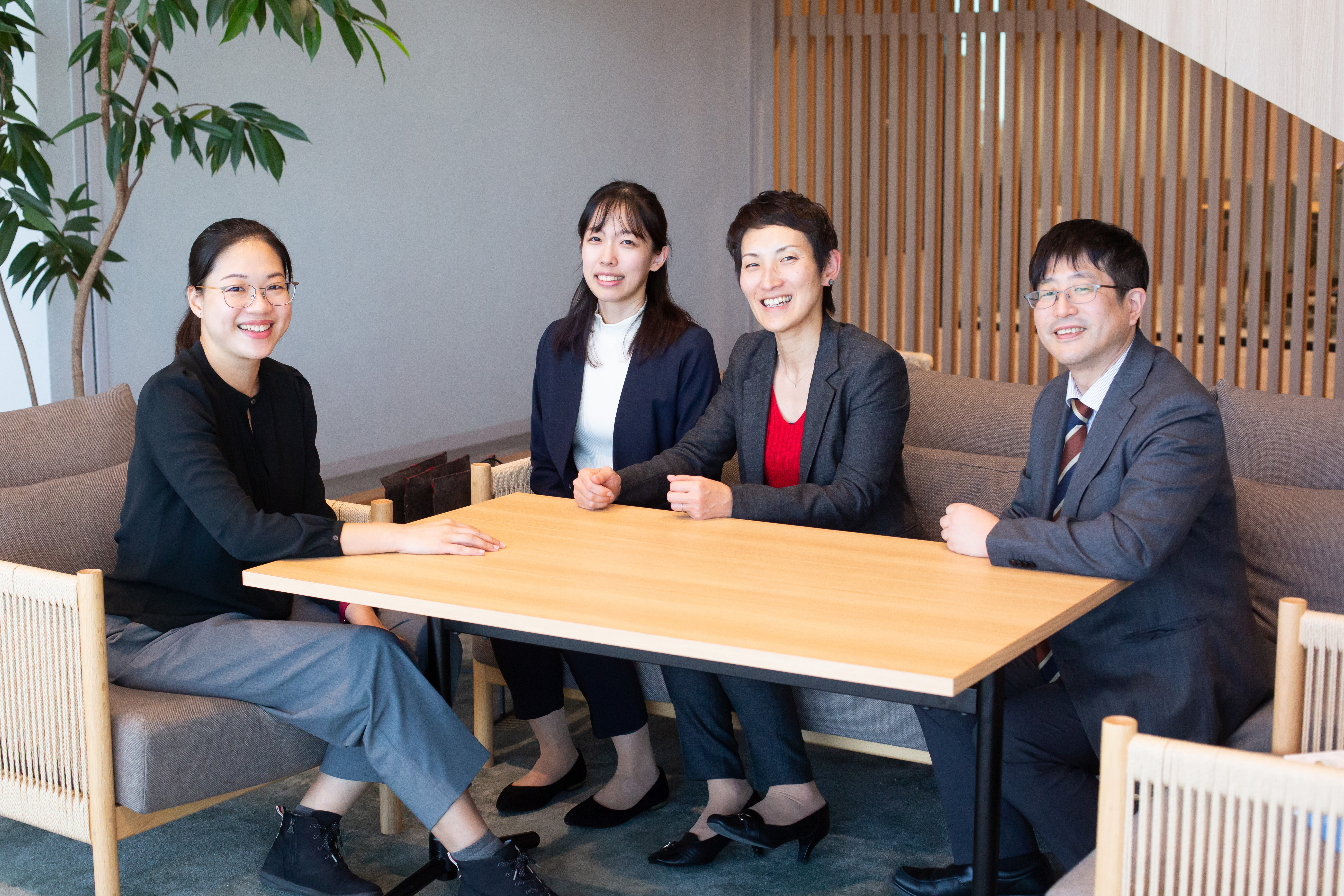
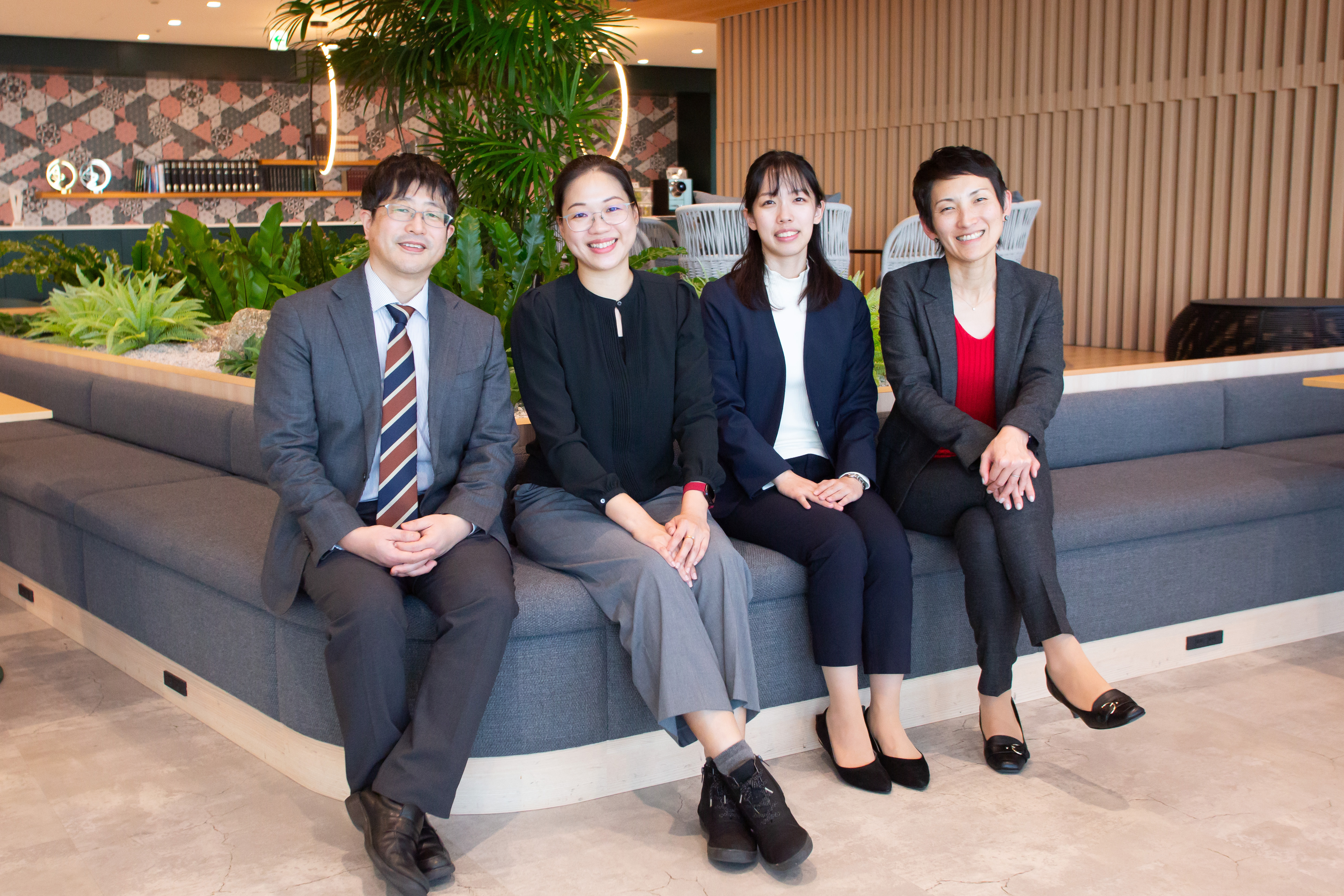
In a conversation with Rachel Hong, founder and CTO of Meracle, alongside Maki Nakashima and Reina Murayama from Micron's MedTech Sales Depts, and Fumiaki Usuki from Development Promotion Sect. (Regulatory Affairs), we explored the dynamics of this collaborative effort.
Utilize multiple networks for partner selection and enhanced decision certainty
-- First, please give us an overview of the product and collaboration.
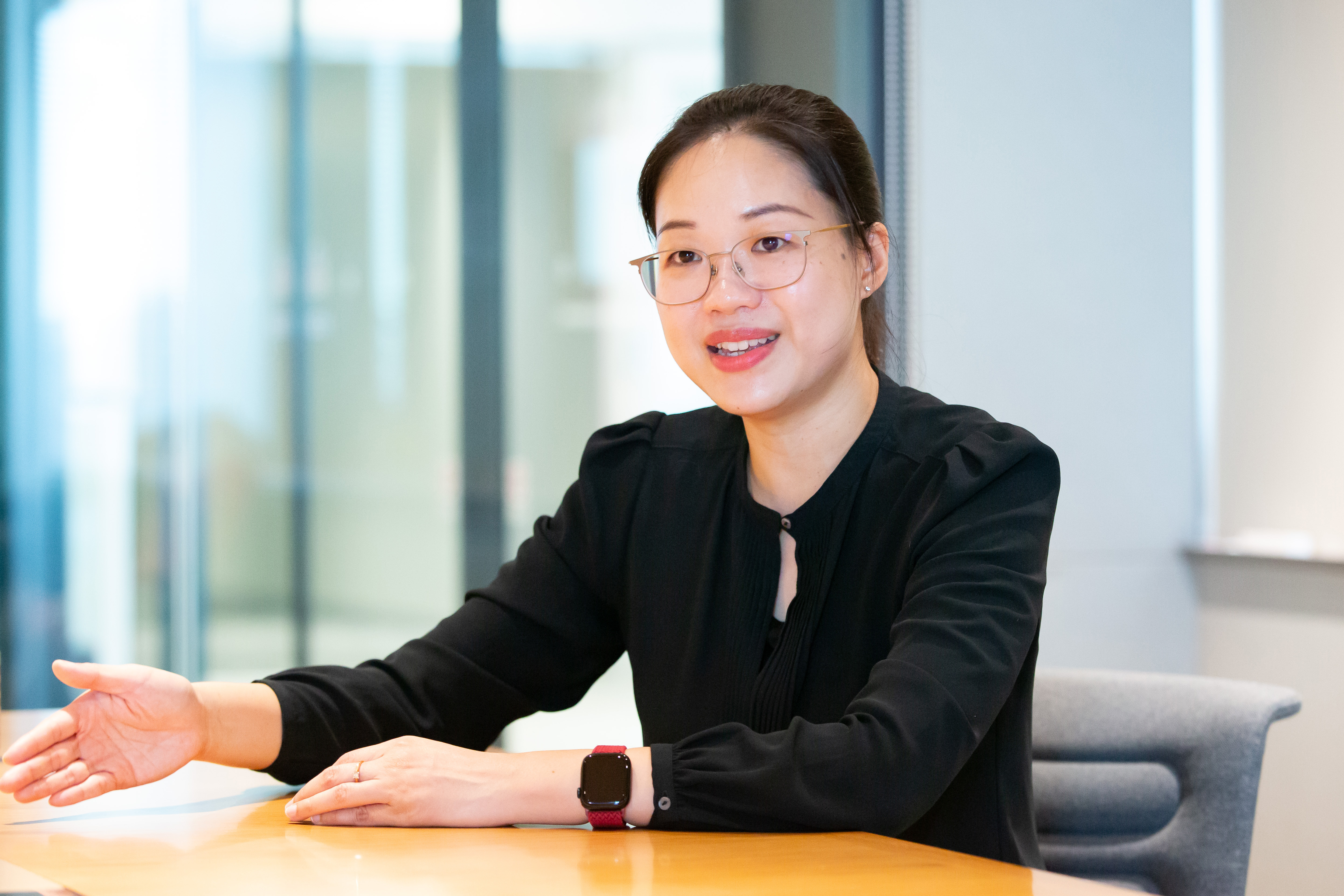
Rachel Hong (Rachel):Meracle is a start up from Singapore pioneering advancements in the treatment of chronic respiratory diseases with the WhizzSpacerTM, an inhalation aid device originating from research and development at the National University of Singapore. Later in 2018, Meracle was established to broaden patient access to this innovation.
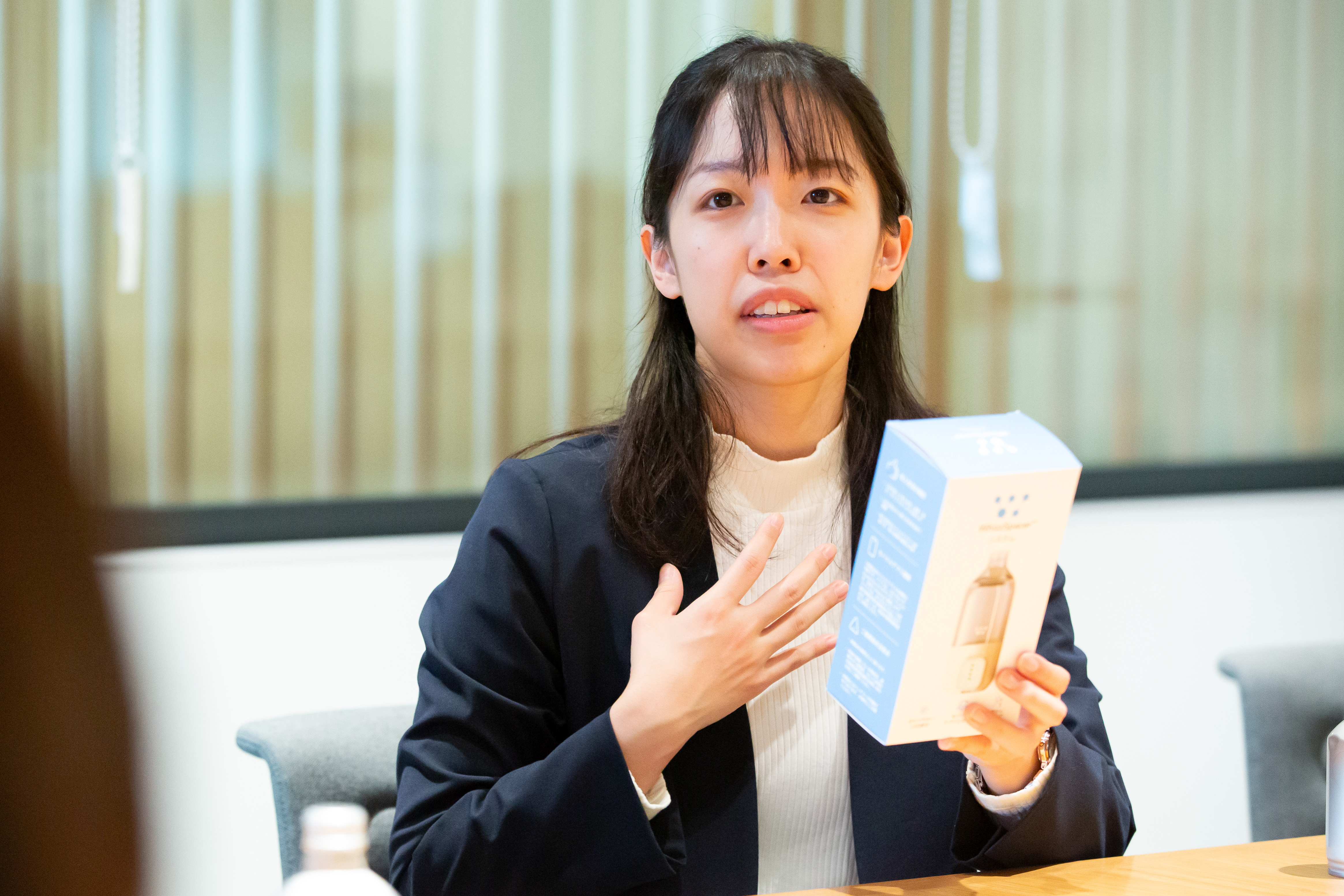
A standout feature is the real time visual feedback from built-in LED lights, which is activated based on inhalation speed. That means, not only the patient but also family members and nursing staff, can see immediately whether the patient is taking his/her medication properly. This also facilitates medication adherence for patients, especially beneficial for children and elderly individuals who have difficulty with inhalation. Our device can also sync with a mobile app to log medication data for effective medication management.
Maki Nakashima (Nakashima):Initiating in January 2024, Micron and Meracle have been preparing the Japanese market for the WhizzSpacerTM through a strategic market launch and expansion model. With a successful notification to the PMDA as a Class I medical device on October 31, 2024, we anticipate launching in April 2025.
-- What motivated you to enter Japan?
Rachel:The journey towards global expansion began with online accelerator/incubator programs during the pandemic. Japan was a strategic choice due to its cultural and geographical proximity and the prevalence of asthma and COPD (chronic obstructive pulmonary disease). Supported by organizations like Enterprise Singapore, a government agency, JETRO, and i2.JP specializing in healthcare, we embraced the opportunity to enter the Japanese market. Such extensive network connections have provided information about Japan and inspired our entry. This keen interest in the Japanese market is also shared by other Singaporean healthcare startups as Japan is an attractive market, and market presence in Japan can be impactful. We believe our presence in Japan will give us an edge when we expand our business elsewhere.
-- How did you come to form this collaboration?
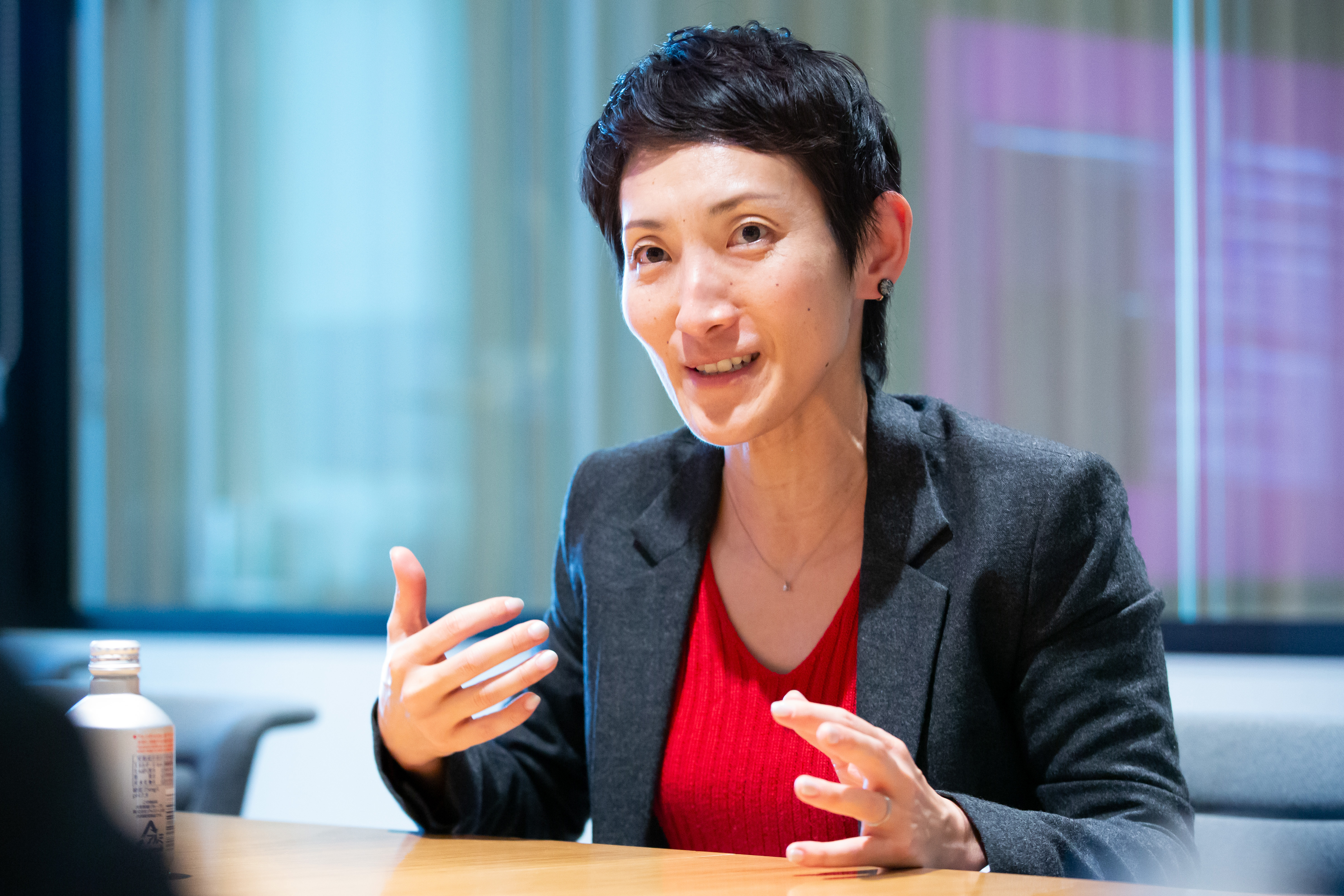
Nakashima:There are many patients suffering from asthma and COPD. The appeal of the WhizzSpacerTM lies in its ability to ease caregivers’ concerns, beyond just medication support delivery. I am a parent. I know there are caregivers who are concerned about their children’s inhalation adherence. I wish to introduce this product to Japan not only for the benefit of patients, but also for those parents.
Since our establishment in 2005, we have supported SaMD market entry into Japan, taking advantage of our strengths as an imaging CRO in the field of diagnostic imaging. Now, for the first time, our experience extends to this physical, home-use medical device that directly touches patients. To us it is a big challenge, but we are eager to support it.
Rachel:Micron was chosen as our Japanese partner for its proven expertise and experience in aiding overseas medical device startups. The company is also great at visual communication using images and illustrations, clearly identifying to do’s and simplifying the complexities of the Japanese market and its regulations. Our shared language in medical devices assured us that our product could significantly benefit Japanese patients.
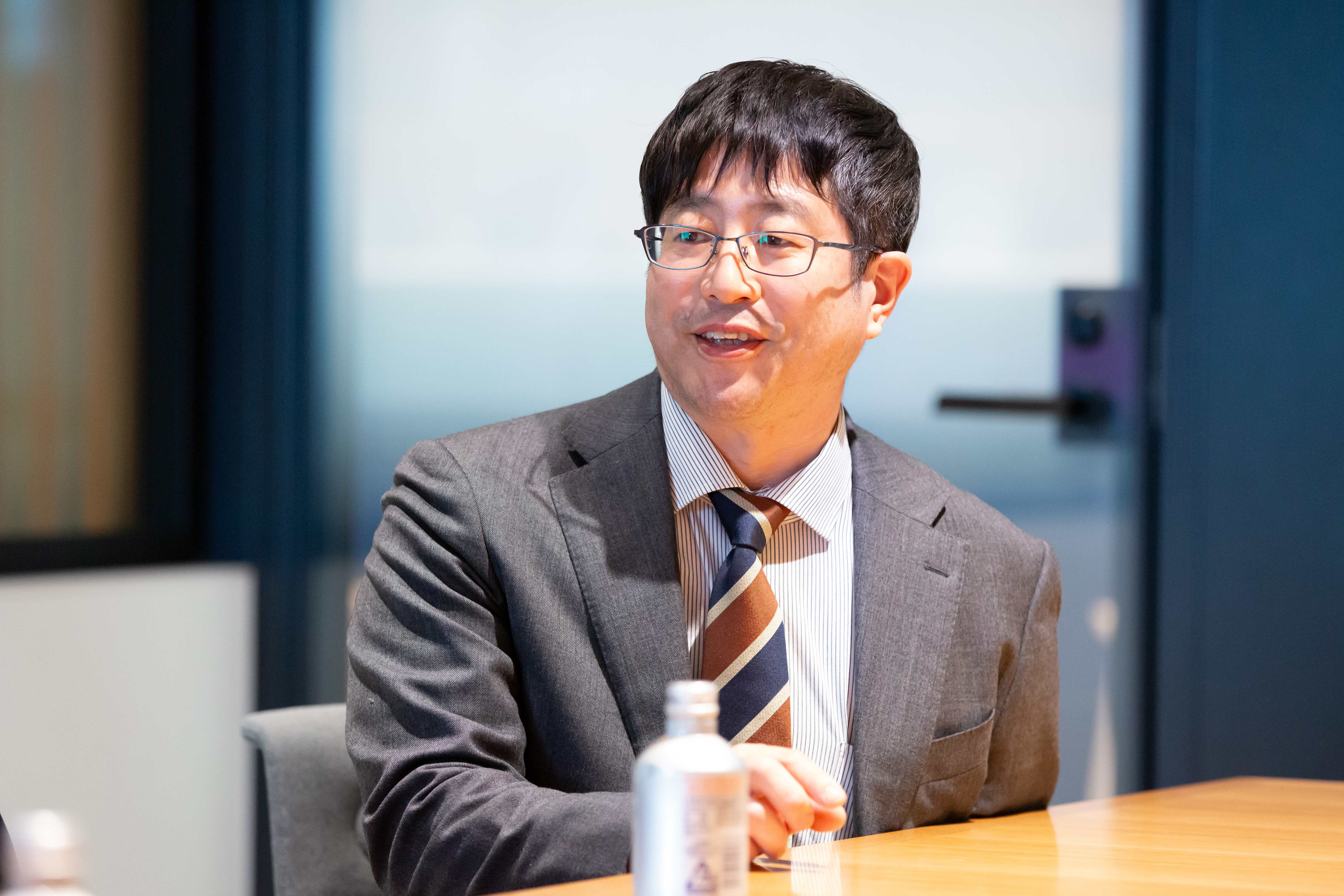
Fumihatsu Usuki ("Usuki"):We excel at consolidating and updating information on regulatory developments and showing them to foreign companies speedily and concisely, which is crucial in light of new guidelines and notifications on digital devices, mostly available only in Japanese. Our consulting experience on SaMD and other products from outside Japan spans over 90 projects. Through numerous negotiations with the authorities, we have fostered a deep understanding of regulatory expectations that bolsters our credibility.
Nakashima:From a sales perspective, we must acknowledge that there are differences in medical device markets, with Japan requiring a careful navigation of multiple dealer layers, unlike overseas where direct sales to customer is more common. We carefully communicate market differences and stakeholder management especially to eliminate any impact on pricing. I think our presence helps enhance dealers’ trust for international startups.
Rachel:We heard about Micron's strengths and backgrounds from JETRO and i2.JP. Based on that information, we comfortably decided that Micron was the right partner. I think it is very important for startups to connect to broad networks. It exposes them to diverse collaborations and perspectives essential for informed decision-making.
Beyond “joining hands” - Sharing ideas and opinions strengthens products
-- Tell us what you learned through this collaboration?
Reina Murayama (Murayama):I learned so much that I would say everything was a learning experience. WhizzSpacerTM was our company’s first physical medical device for home use. From transportation, inventory control, to market release, we faced many challenges for the first time. But tackling these challenges was possible through internal collaboration and Rachel’s guidance.
Rachel:Micron’s proactive approach exceeded expectations, notably in packaging design, demonstrating their collaborative spirit. They proposed ideas and suggestions one after another, and the final design was nothing like our initial draft design.
Murayama:For example, global recycling symbols must be replaced with Japanese symbols. There are local dimensional requirements. We resolved these issues one by one. After localization, we made a conscious effort to make the Japanese manuals patient-friendly by using lay terms.
Rachel:These small details add up to enhance product strength. This partnership transcended simple collaboration of two companies joining hands for production and commercialization in Japan. It embodied a shared journey of collaboration overcoming numerous challenges to perfect our product. I learned that with open exchange of ideas and opinions and right partner, we can eventually scale the summit of Japan's market.
Raising inhalation guidance awareness to deliver product benefits to patients
-- What are your future challenges and thoughts around PR strategies?
Murayama:We are engaging with key opinion leaders (KOLs) on inhalation techniques for feedback and product education.
Nakashima:Inhalation guidance has been one of the challenges in asthma and COPD. There are physicians and pharmacists who are concerned about this issue, yet there is a continuing struggle to give detailed instructions to patients. So, the device’s capabilities in enhancing inhalation guidance can be crucial. We aim to raise awareness on the importance of inhalation guidance and, through inhalation instructions, deliver benefits of this product to patients. We can drive impact through effective PR on social media. For instance, a closed online community for physicians can be one of the platforms to raise inhalation guidance awareness.
Rachel:Innovating business models is essential for launching transformative devices. Since digital devices are new solutions, the challenge is to understand how best to deliver our information and data to physicians. Also, we hope to generate and publicize local clinical data in Japan since we currently only have data from Singapore.
-- Finally, what are your future expectations for i2.JP?
Usuki:I would like to see many more companies with diverse backgrounds join the network from in and out of Japan. Beyond our diagnostic imaging focus, we are exploring new possibilities like this project. We welcome touchpoints with players/developers of systems and equipment, supporting patients from diagnosis to treatment.
Nakashima:I am passionate about Femtech, a field with strong growth potential. I am eager to contribute to creating a world supportive of women’s health regardless of age.
Rachel:Learning from those who have gone before us is essential to business model innovation. What we have learned through this partnership can fuel someone else's innovation. i2.JP is a "treasure trove" having accumulation of these past innovations in healthcare business models and experiences of new solutions delivery to patients. I hope that i2.JP will offer greater opportunities to learn from the past to benefit the entire ecosystem.
※The information in this article is as of March 2025. Please note that the information may differ from the current situation.
For inquiries
Interested in joining us?
Thank you for your interest. We will get in touch soon.