
The Challenge: "Medication Adherence in Nogata City, Fukuoka Prefecture", Exploring the Root Causes and Seeking Solutions!
- A Co-creation Workshop with Industry, Government, and Academia to Delve Deep into the Issue -
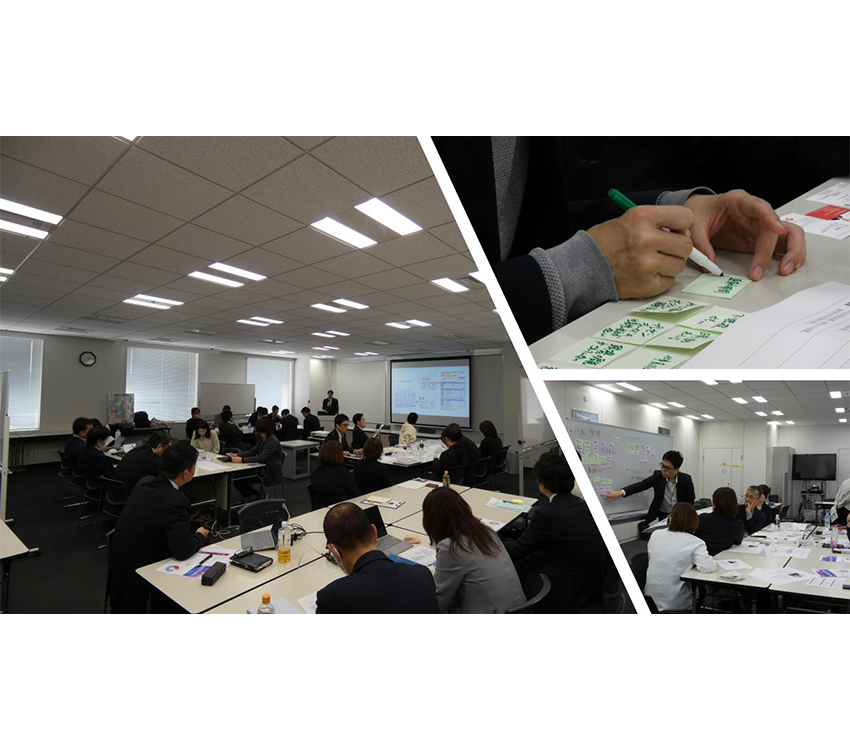
i2.JP has annually hosted large-scale business matching events centered around reverse pitches from municipalities and companies. In response to numerous requests from participants who expressed a desire to "spend more time exploring ideas in depth," we have launched a new initiative to plan and run in-depth co-creation workshops that focus on local communities, delve into the root causes of health challenges, and advance the ideation process.
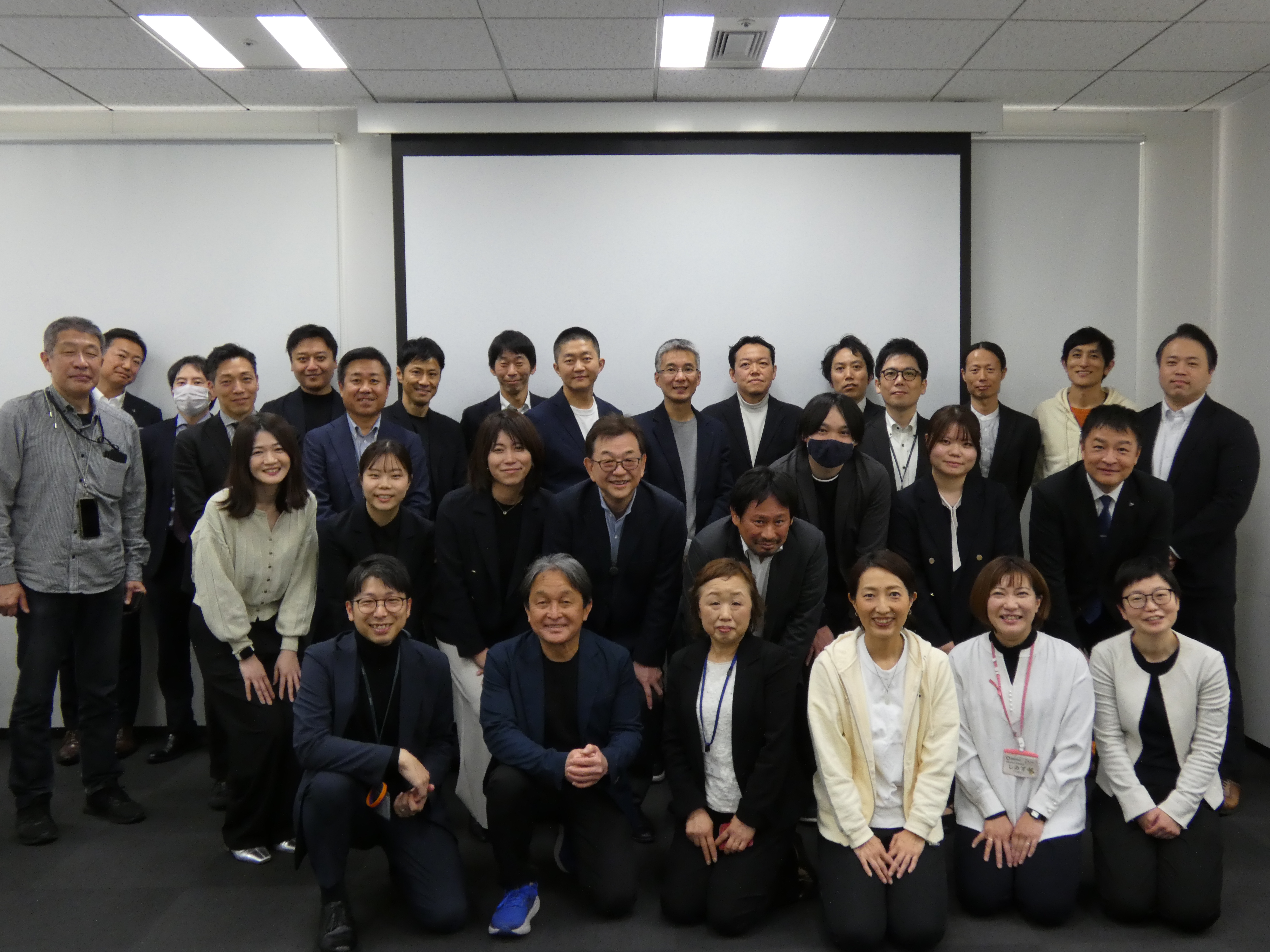
The theme of the first workshop is "Improving Medication Adherence* in Nogata City, Fukuoka Prefecture." On Thursday, February 26, players serious about tackling this challenge gathered in Fukuoka from across the country to participate in a co-creation workshop co-hosted by i2.JP's partner companies—Astem Co., Ltd., Bridge Co., Ltd., and AstraZeneca K.K. (i2.JP).
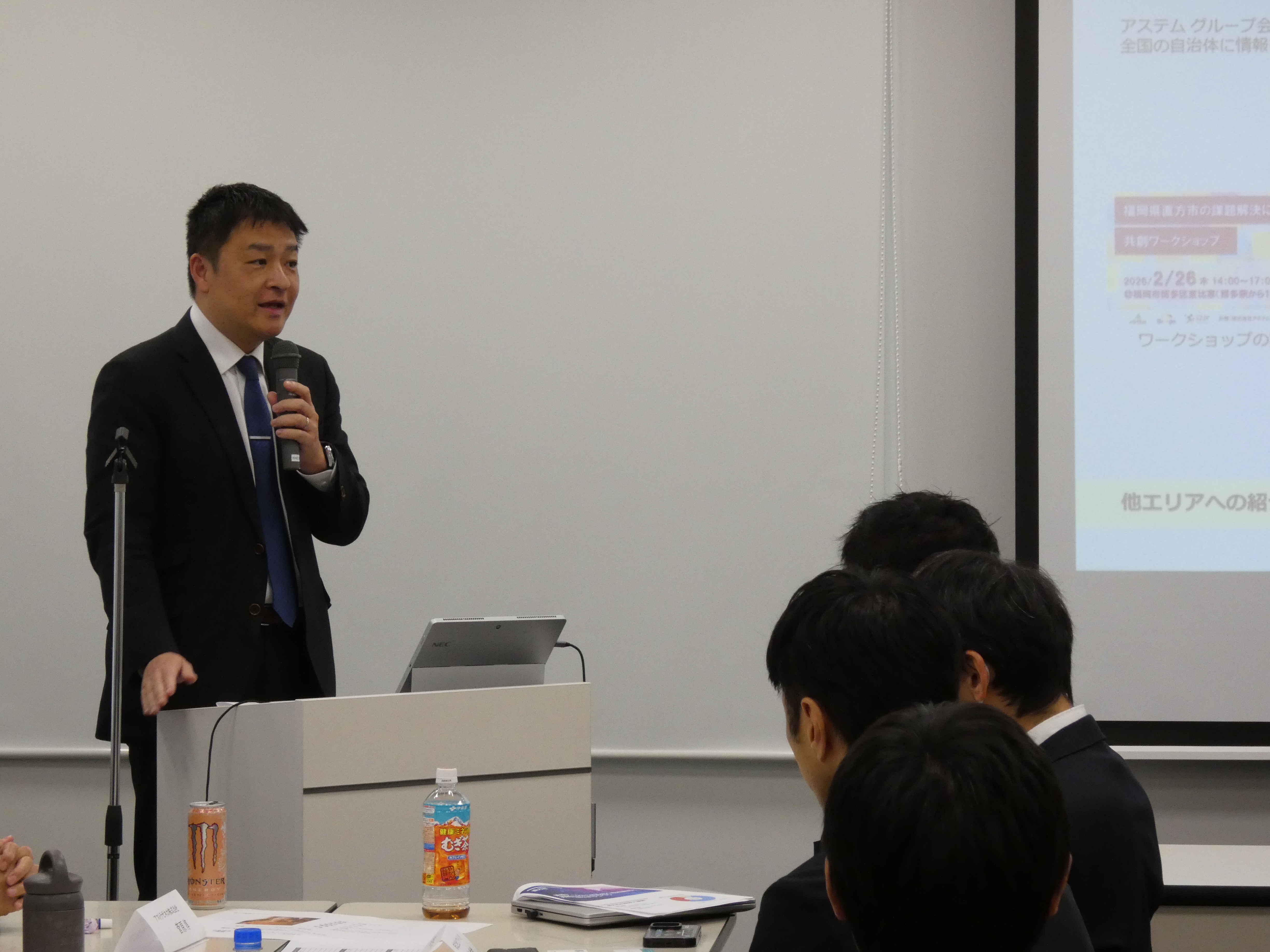
We interviewed Shigeo Sugiyama, a city official who volunteered for this initiative with the aim of "seeking solutions from people across diverse fields for the citizens of Nogata." Reflecting on the process from preparation to the event itself, he shared his insights from the workshop and discussed the importance of collaboration among industry, government, and academia.
- *Medication Adherence:
- Patients understand their illness and treatment, accept it, and proactively continue to adhere to their medication regimen.
Section Chief, Health Planning Section, Health and Longevity Division, Citizens' Affairs Department, Nogata City
Shigeo Sugiyama
*Background of the Issue and Preparation for the Workshop*
A theme identified through collaborative research with Kyushu University
The workshop is the first step toward implementing initiatives that make use of data
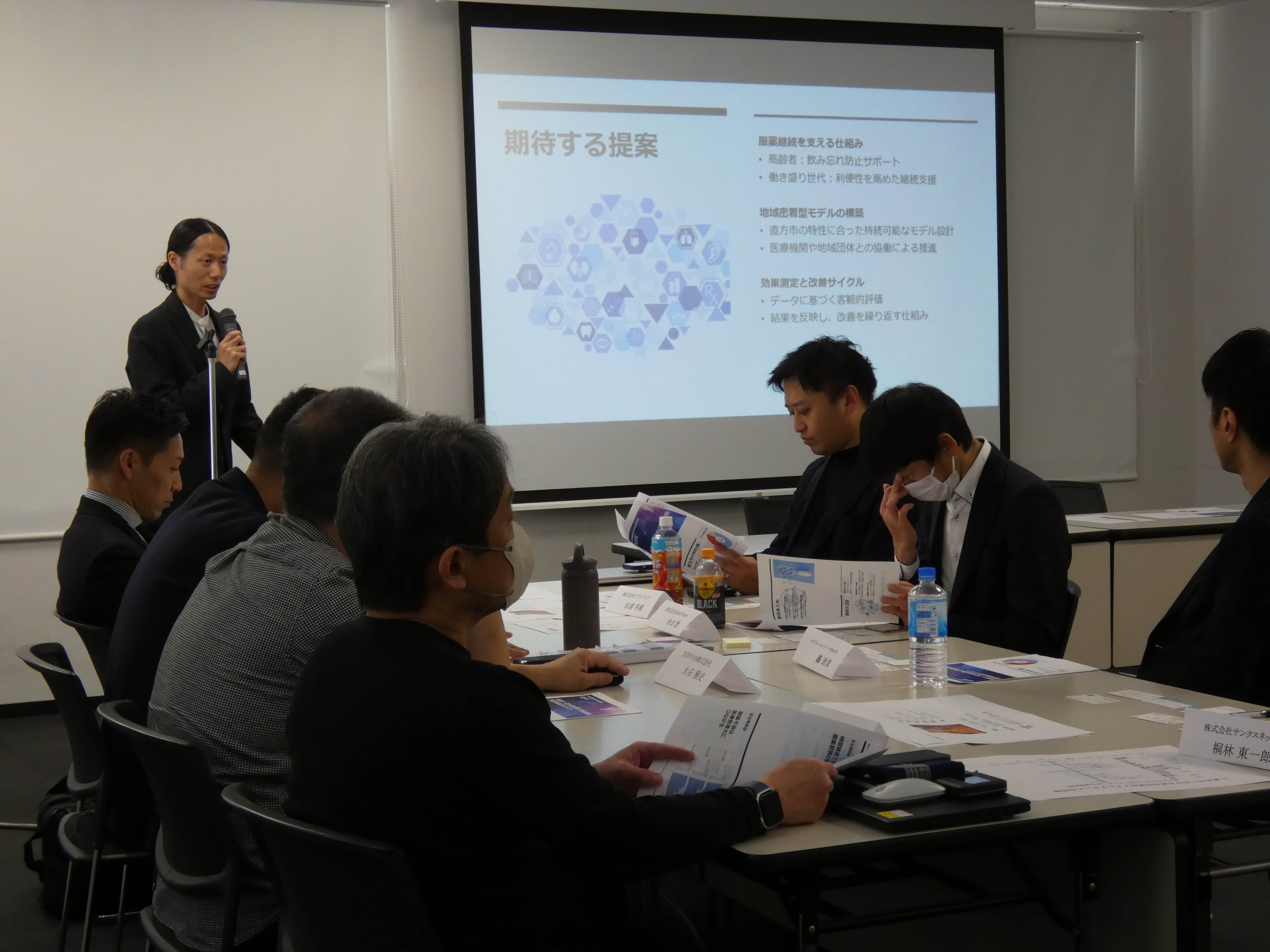
――Could you explain the overview and background of the issue of medication adherence?
This issue emerged from the LIFE Study®, a collaborative project between Nogata City and Kyushu University. The LIFE Study® is a public-academic research project aimed at building and validating a database of health-related data held by local governments, and our city has participated since 2019. While receiving various feedback, an analysis of medical claim data from 2019 to 2023 clearly demonstrated that interruptions in medication adherence lead to increased rates of disease onset, severity, and mortality, as well as rising medical costs—in other words, medication adherence presents a significant challenge.
Our city's aging rate exceeds the national average, and numerous challenges related to the sustainability of community healthcare have come to light. Based on the findings of the LIFE Study®, we decided to focus on a community-based medication support model. Specifically, we identified two key areas: "preventing medication non-adherence among the elderly" and "providing ongoing support for the busy working-age population." We also discussed our goal of creating a model in which local government, medical institutions, and businesses collaborate to continuously measure effectiveness and drive a cycle of improvement.
――Have you heard similar concerns from the field of health guidance as well?
In health guidance, the never-ending challenge is not just medication, but also diet, exercise, and encouraging people to "keep doing X for their health." Furthermore, while Nogata City has collaborated with the Medical Association and other organizations on the "Osteoporosis Prevention Project" to increase bone density screening rates, we heard heartfelt concerns from doctors that "patients fail to continue taking preventive medication, causing the disease to progress and increasing the risk of fractures." We had high hopes that by engaging people from diverse fields, we might uncover challenges and needs that we hadn't previously recognized—specifically, why something as simple as taking medication is so difficult to sustain.
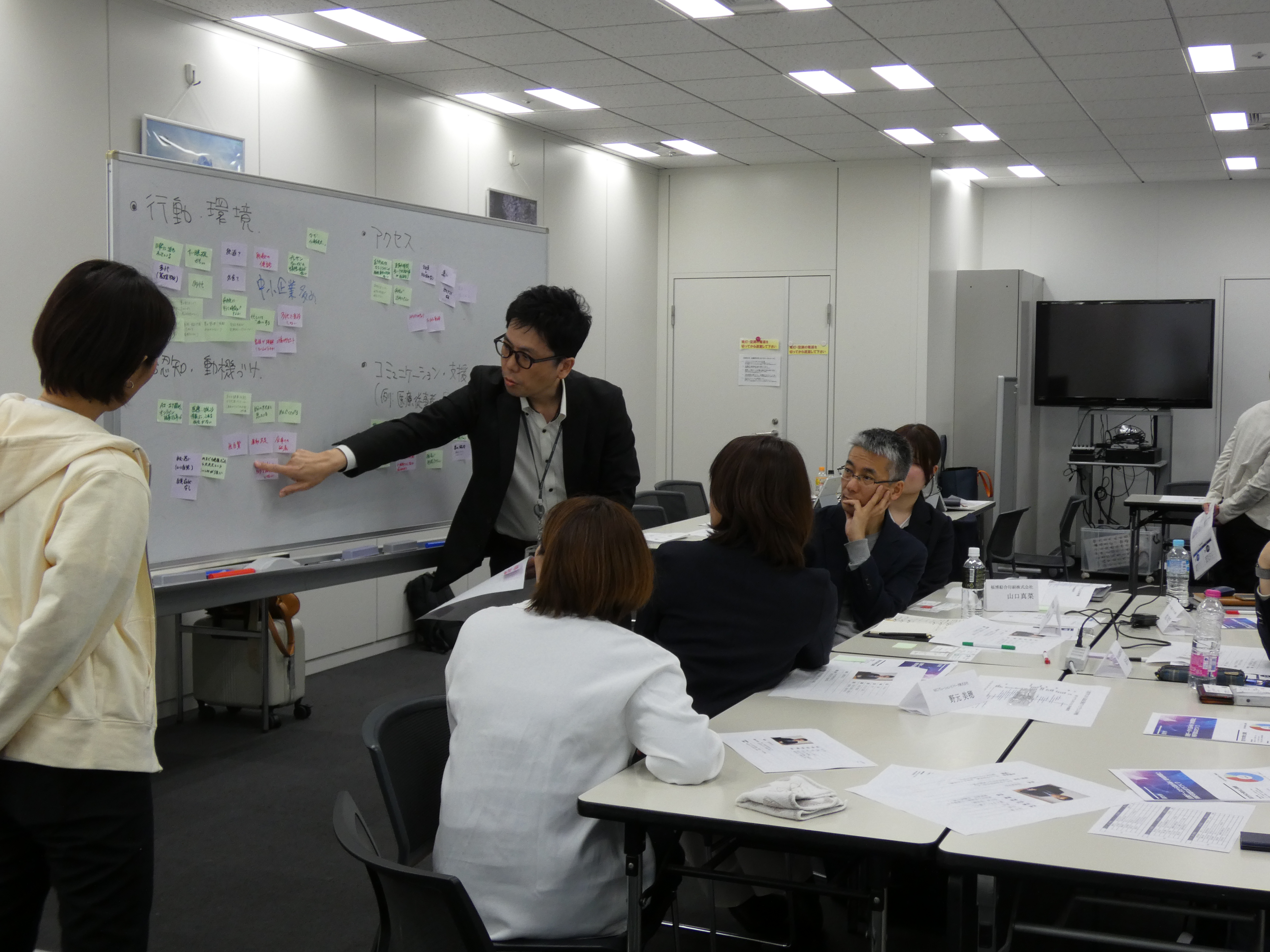
――I heard you had reanalyzed the data in preparation for the workshop.
Since Fukuoka Prefecture also has a high prevalence of hypertension, we narrowed our focus to people taking hypertension medication and compiled new analysis results by demographic group. Notable trends include the fact that the working-age population under 60 is most likely to discontinue medication, the risk of discontinuation decreases as the level of care required increases, and the risk of discontinuation is exceptionally high among low-income groups. We have prepared materials that make these trends immediately apparent.
One of the things we've come to realize is the importance of data. While government agencies tend to rely on experience and intuition when formulating policies, the private sector places a strong emphasis on data. Even during the online pre-briefing last November, we received technical questions regarding data. I believe it was extremely valuable to be able to share the challenges identified through the LIFE Study® data.
Government agencies possess vast amounts of data. It is truly a "gold mine," but this is not limited to Nogata City—many municipalities are failing to make effective use of it. This is precisely why collaboration among industry, government, and academia is so important. While Nogata City is participating in the LIFE Study®, the reality is that we have not yet been able to incorporate the findings into our policies. I believe this workshop marked a major step forward in leveraging data to develop new policy initiatives.
Considering both the collective and the individual is the key to practical solutions
Associate Professor, Department of Health Care Administration and Management, Graduate School of Medical Science, Kyushu University
Haruhisa Fukuda
The LIFE Study® is currently being conducted in collaboration with approximately 40 municipalities nationwide with the aim of generating evidence to improve residents' health. However, the reality is that even when data highlights specific issues, it is difficult to translate these findings into concrete actions during our discussions with local governments. We had hoped to gain new perspectives from experts across diverse fields, and the insights we gained exceeded our expectations. We anticipated that the discussion might veer toward proposals for their company's solutions, but that did not happen at all; instead, everyone engaged in a discussion on equal footing. It was particularly interesting to see how they delved into the challenges in a realistic way through the use of personas. Since we usually look at data—that is, groups—it was an eye-opener to focus on individuals. I believe that considering both the group and the individual perspectives is what leads to practical ideas.
Universities are also under strong pressure to contribute to societal implementation. If we can support future collaborative efforts from a data perspective, it will be a significant achievement for us as well. In particular, Nogata City was the first municipality to join the LIFE Study®, and it has accumulated a decade's worth of data. We would be happy to work together to do something for the people of Nogata City.
*Reflections on the Workshop*
Using patient personas who struggle to maintain medication adherence
to explore the challenges in concrete and multifaceted ways
――We divided the 18 participants into three groups and had each group discuss the personas for about two hours.
To create the personas, we first worked with public health nurses to identify people with similar tendencies based on their experience with health guidance, then drafted proposals and had professors from Kyushu University compare them with data. The results were remarkably well-supported by the data. It felt like our on-the-ground intuition and the supporting data were in perfect alignment.
We sent the personas to the participants in advance. Perhaps because of that, the discussion was lively right from the start. I was truly impressed by how they were able to quickly delve into the issues from multiple angles—asking questions like , "What's the real reason they can't get a checkup?", "What about workplace health screenings?", "How much interest do their family members show?", and "What about their hobby groups?"—to refine the persona's details.
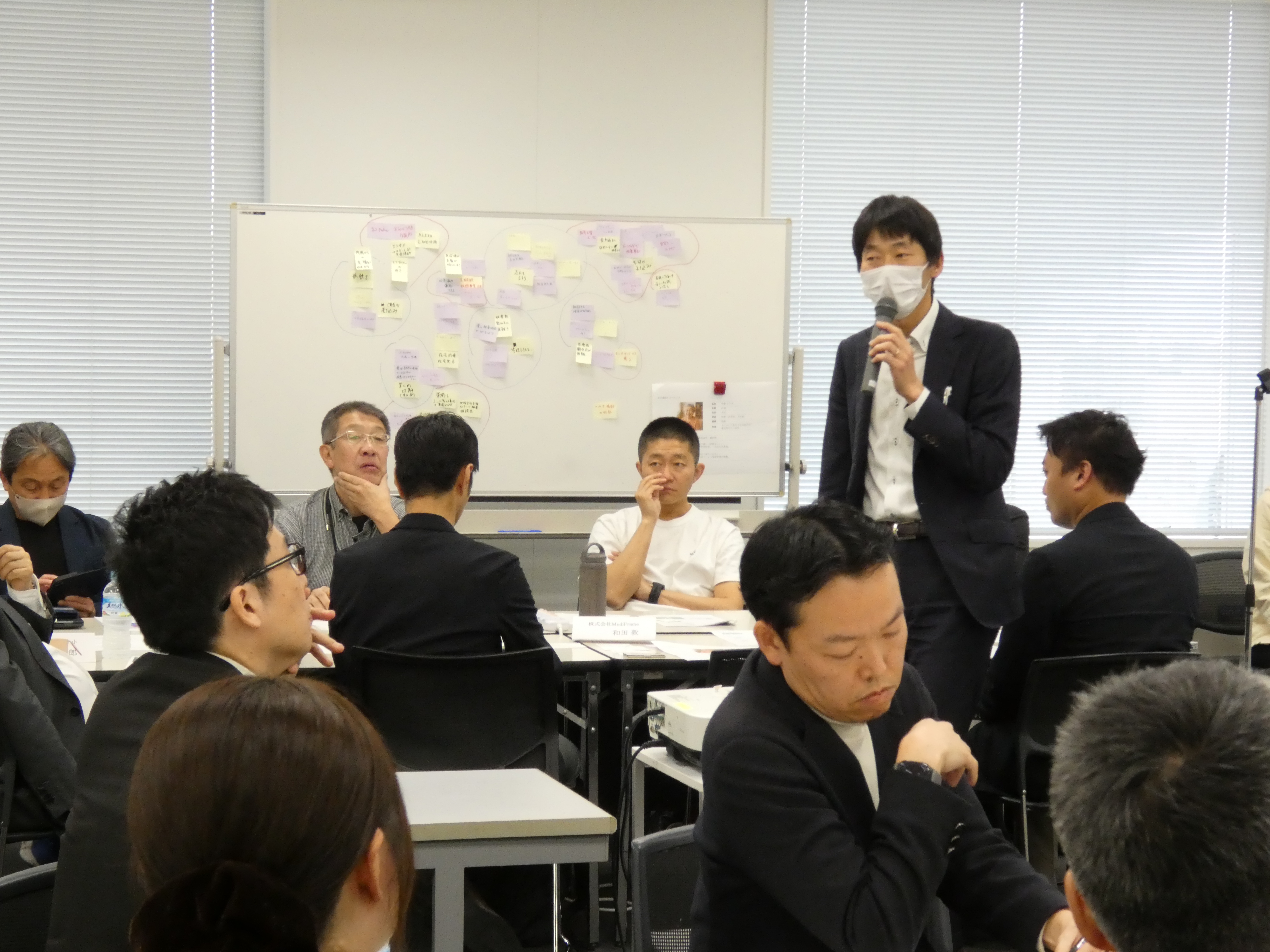
――Sugiyama-san visited each group.
There was constant laughter coming from every group, and everyone seemed to be having a great time. I think that's because it was an environment where people could openly share their opinions without bias and speak their mind on an equal footing.
What particularly struck me was that every group focused on engaging their families, communities, pharmacies, and workplaces to create an environment that supports medication adherence. I was reminded that support from those around the patient is crucial, and that it is the government's role to establish the systems to enable this. I also gained some insights. For example, government agencies tend to bring people together and encourage them to "form a group," trying to "create" communities from scratch; so, leveraging existing communities was a new perspective for us.
――Did you find any ideas that were helpful?
I discovered many resources related to digital tools and apps that were new to me. At the same time, the perspectives, such as existing resources are not fully utilized, or companies should prioritize healthy management, were also insightful. I believe there isn't just one answer—we need to tackle multiple issues.
In this workshop, two public health nurses joined the group and participated in the discussion. I believe it was very valuable to be able to share their on-the-ground experience and insights directly with the group. Since the proposals from the private sector likely reflect the residents' latent needs, we intend to thoroughly review the workshop discussions together with the public health nurses.
A down-to-earth discussion focused on changing persona behavior
President and CEO, Bridge Inc.
Director, Regional Access Department, Sales Division, ASTEM, Inc.
Isao Matsuzaki
Given the partnership between Nogata City and Astem, we organized a workshop in Fukuoka focused on the city's challenges. Although we could have held the event in Tokyo, where it would have been easier to gather a large number of players, we decided to host it locally because we wanted not only Sugiyama-san but also public health nurses and professors from Kyushu University to attend. As a result, we were joined by a group of enthusiastic and motivated individuals, leading to a highly productive discussion. I was impressed by the down-to-earth discussions, which delved into the psychological barriers of the personas and focused on behavioral change, and I felt that fundamental solutions would emerge from this.
Bridge has launched "Bridge Square," a platform that connects local governments and businesses in the healthcare sector, and currently has approximately 380 local governments nationwide participating in the initiative. Building on this success, we plan to actively support the organization of these community-focused workshops moving forward.
Toward Co-creation with Private Companies
Collaboration is essential for creating new cases
We want to seize every opportunity to build connections
――Did you find value in participating in this open network?
I was able to meet and discuss ideas with people from diverse fields whom I wouldn't normally encounter, and by sharing information and thoughts, my horizons were greatly broadened. Since local governments of similar size all face similar challenges, I believe this served as a valuable opportunity for solution providers as well, offering insights and lessons that will help them in their future collaborations with local governments.
――What do you expect from co-creation with private companies?
We would appreciate it if private companies could take the lead in areas where the government struggles, particularly in "building something from scratch." Furthermore, since the government's network is limited, I believe that new networks would also be of great help.
Since internal reviews are essential for the government to move forward with initiatives, it would likely make the process smoother if private companies could collaborate with us from the very beginning—starting with the creation of "compelling" materials that highlight the financial benefits and how the project will contribute to residents' quality of life. Because the government's decision-making process takes time, maintaining early and persistent communication is also key.
――Could you share what you learned from this experience as a whole?
It's the importance of actively participating in opportunities like this. To be honest, at first, I thought the bar was set too high. I had little experience and felt very anxious. But I realized that if I only did what I felt comfortable with, I would never solve the problem. If I truly wanted to solve it, I knew I couldn't pass up this chance to gain new connections and ideas. Once I actually got started, everything was new and stimulating, and I had a lot of fun. I also got to experience firsthand just how fast things can move. I'm really glad I took on the challenge instead of backing down.
Many local governments are reaching their limits as their staff numbers decline while the challenges they face continue to grow. We have done everything we could think of, and to tackle new initiatives, we have to collaborate with new people and organizations. We in Nogata City can speak from experience as a city that promotes collaboration among industry, government, and academia. I hope that other local governments will also seize every opportunity to connect with people from diverse fields and put these connections to good use in their collaborative efforts.
While the national government has championed the concept of inclusive community and is launching various support initiatives, local governments must first step forward and declare, "We have a plan we want to implement" to receive that support. Drawing on the connections and ideas gained from this workshop, I would like to begin preparing—with your help—for projects that will enrich the lives of the citizens of Nogata.
The combined efforts of government and business
to create systems that continuously deliver advanced medicines and medical technologies
Executive Vice President, ASTEM, Inc.
Hideo Oishi
One of Astem's goals is to serve as a bridge between people, solutions, and communities in order to address healthcare challenges. We aim to bring together people from different industries and backgrounds who rarely have the opportunity to meet, and to facilitate the exchange of ideas. We believe this workshop successfully fulfilled that role as a bridge.
I also found the discussion about the three personas very interesting. I could relate to some of the experiences described—both in my own life and in my parents'—and it gave me a good opportunity to reflect on this issue as a member of society. No matter how much medicine and medical technology advance, they are meaningless if they don't reach patients or if treatment cannot be sustained. To ensure treatment reaches patients and continues, we need support that integrates into their daily lives, and solutions like this require the combined strength of government and the private sector. Of course, it's also essential that this creates a win-win situation for everyone involved. I'm very excited to see what seeds of co-creation will sprout and grow from this, and I look forward to watching it develop into a business.
Participants' comments
We attended a briefing session beforehand and were sent personas based on data, which allowed us to participate with a clearer understanding of the issues. (App Development)
Using personas helped us delve deeper into specific challenges and explore potential solutions. (Medical Information Systems/DX)
Although we operate in completely different industries and thought we had no common ground, we realized we share many similarities when it comes to addressing regional challenges. (Highway)
We operate a business focused on medication adherence, but we realized that our resources were not being utilized as effectively as expected, and this highlighted a societal issue: a lack of information sharing. (Pharmacy and Clinic Support)
As a pharmacist, I initially approached this from a healthcare professional's perspective, but this provided an opportunity to view patients from a societal standpoint and rethink what kinds of solutions could effectively support their care. (Pharmaceutical Information Platform)
I was able to hear directly from government officials and public health nurses about my concerns, which deepened the discussion. (Pharmaceuticals)
Nogata City, Fukuoka Prefecture:
- Location and Size: A city with a population of 54,250 located in northern Fukuoka Prefecture, adjacent to Kitakyushu City.
- Aging Population: 33.35% of the population is aged 65 or older (prefectural average: 28.18%)
- Medical Expenses: National Health Insurance medical expenses per person: 31,240 yen
(prefectural average: 28,940 yen) - Future Trends: Over the next 20 years, the population is expected to decrease by approximately 10,000 people, and the number of people aged 75 and older is expected to surge
- Challenges: Due to the certain expansion of demand for medical care and long-term care, discussions on the sustainability of community-based healthcare are urgently needed
*As of October 1, 2025
※The information in this article is as of April 2026. Please note that the information may differ from the current situation.
For inquiries
Interested in joining us?
Thank you for your interest. We will get in touch soon.