
Ovarian Cancer Awareness Project (Part2)
Seminar collaborating with influencers to reach those less interested in ovarian cancer
※Please click here to read part 1 of the ovarian cancer disease awareness project, "Disease awareness through the restroom signage for the high-risk population".
In Japan, ovarian cancer is the third most common cancer in women after breast and endometrial cancer. In recent years, the incidence of ovarian cancer has increased and is now more common than cervical cancer1. However, the disease is not well known to the general public and women do not seek medical help even when they have symptoms.
Therefore, AstraZeneca and Carepro, which has extensive experience in health checkup events, jointly implemented an ovarian cancer awareness project.
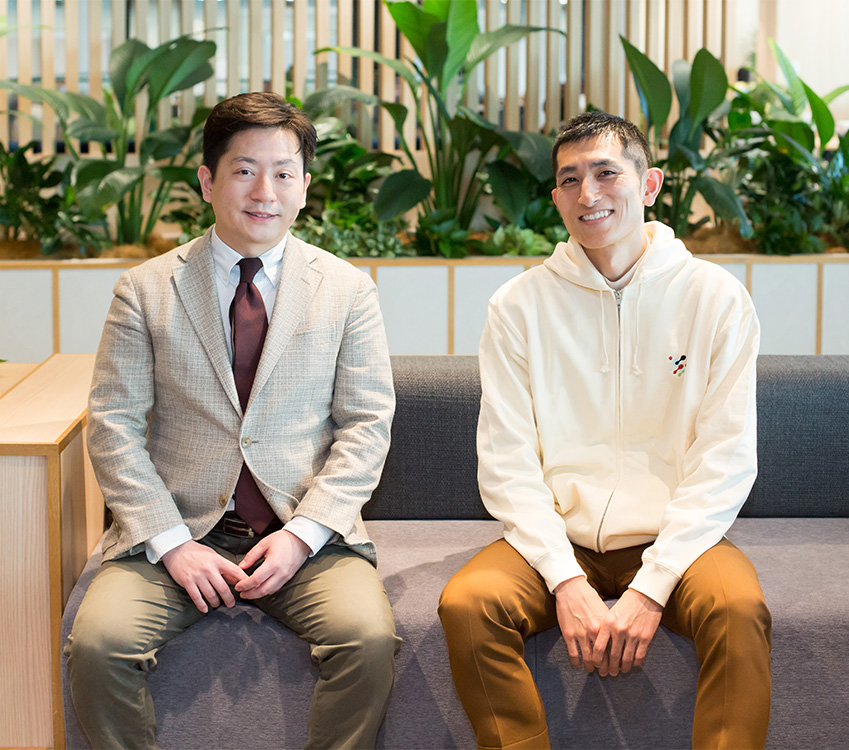
We interviewed Shosuke Kobayashi and Rika Mochizuki from Carepro, Inc. and Masashi Takuma from AstraZeneca about the companies' efforts, how the collaboration started, and what makes the project unique.
PROJECT CASE
- Overview
-
- A disease awareness seminar with the influencers (September 8, 2023, 7:30-8:30 p.m., webinar)
- A survey of viewers after the seminar
- Backgrou
nd/Issue -
- Although the incidence of ovarian cancer is increasing1, the disease is not well known to the general public, partly because the government does not encourage screening.
- In the early stages, symptoms are rarely noticed, and when they do occur, they are often unnoticeable because they are not specific to ovarian cancer.
- The patient survey suggests that basic knowledge of ovarian cancer "leads to earlier presentation" and "better understanding of treatment".
- Results
-
- By having influencers on stage, we can attract the attention of their followers, including those who are less interested in the disease. In addition to the impact on turnout, we can also emphasize the importance of screening.
Leverage beauty and menopause influencers
to get their followers to participate
――How did this collaboration begin?
Takuma:when we discussed ovarian cancer awareness activities at an internal workshop with the Ovarian Cancer Team and i2.JP, we came up with the idea of using celebrity messages and social media, and we contacted Kobayashi-san through i2.JP to realize this idea. At that time, we didn't even think of using influencers yet.
Kobayashi:Carepro specializes in educational events on testing and health checkups, so the initial idea was to have participants try the tumor marker test and listen to a lecture by a doctor.
Takuma:I thought it was a good idea, but activities involving medical practice are difficult because of the regulations of pharmaceutical companies. We continued to have discussions and came up with the idea of events featuring influencers. People who attend disease awareness seminars are highly health conscious and interested in cancer. But we wanted to nudge people who are not interested in disease prevention, but who are concerned about their health in some way, and so we came up with the idea of using influencers.
Kobayashi:The followers of many online influencers have a clear set of attributes. Our target was clearly defined as "women in the high risk age group for ovarian cancer" and we decided to use influencers because we thought they would be influential in our target.
――Can you tell us what is unique about this project?
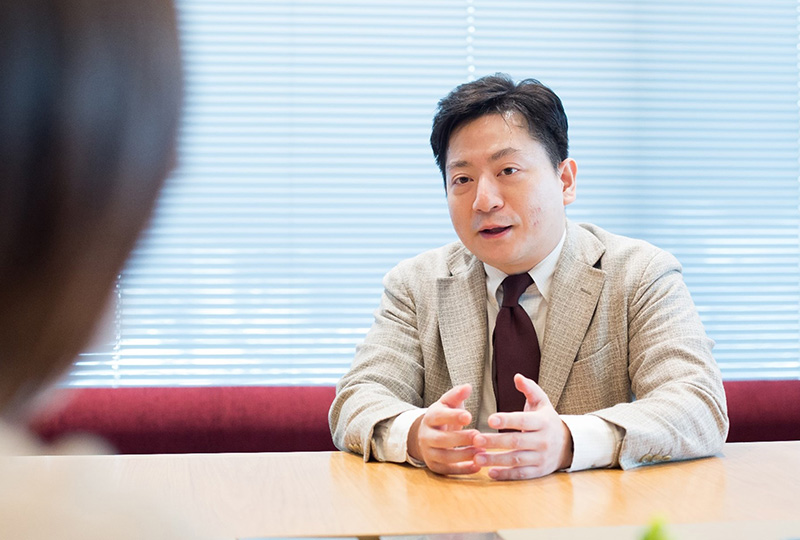
Takuma:The key is the choice of influencers. First, we asked Carepro to create a list of influencers whose followers are women in their 40s and 50s.
Kobayashi:My idea was that if we wanted to reach the population that is not interested in health, we could use influencers in categories that are completely unrelated to ovarian cancer, such as "motorcycle" and "pachinko".
Takuma:The idea was very interesting, but since this was our first project, we decided to use speakers who were clearly appropriate for an ovarian cancer awareness seminar. As a result, we chose someone who has delivered healthcare-related messages and another who has had gynecological cancer.
Since this was an online seminar and participants could leave at any time, we asked an influencer and rakugo performer to moderate the seminar to keep the audience engaged. The first part was a lecture by a gynecologist, and the second part was a talk session led by two influencers on the topics of "going to the gynecologist" and "how to find a family gynecologist".
Mochizuki:Since the program included a free discussion, we had a very careful meeting beforehand. We chose influencers who agreed with the purpose of the project, and as we talked, their thoughts came to the forefront. They regularly share information with women and have contact with many women, so they themselves had a message they wanted to convey to women about health, and they gave us advice on the perspective when talking to the audience. They shared their experiences of gynecological checkups, which I think was very realistic for the audience.
Kobayashi:We gave them very detailed instructions beforehand, and they all did a good job of covering a lot of topics in that context. There was also a sense of a live discussion going on.
Takuma:The atmosphere was very good, with the doctor who gave the lecture participated in the talk session in a friendly and relaxed manner. I heard from those who saw the seminar that they enjoyed it as if it were a variety show.
――How did you announce and attract viewers, and how many people participated?
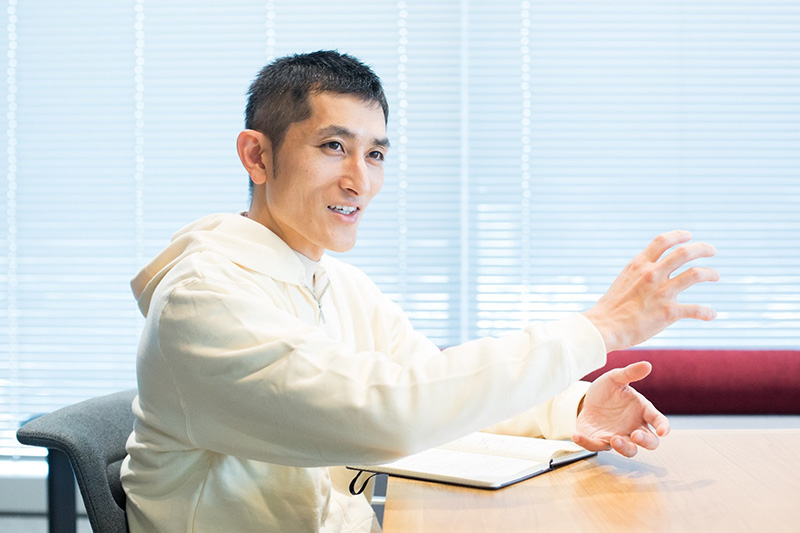
Mochizuki: For the announcement, we examined AstraZeneca's rules and the influencers’ activity policy and used where we were aligned.
Takuma:Right. First, we disseminated information on AstraZeneca's social media (Facebook & Instagram). I shared them with all the speakers, and two influencers shared them, and as a result, we were able to notify a lot of people. In fact, since our ultimate goal was to get people interested in ovarian cancer, the results far exceeded the goal we had initially set.
About 1.5 times as many people attended as our previous patient seminars, and although it is not an apples-to-apples comparison, we believe that many people were interested in the seminar. In a post-seminar survey, about 80% of respondents said they would see a gynecologist. I was happy to hear from an acquaintance who participated and had her ovaries examined during her gynecological checkup and was relieved to find no abnormalities.
Mochizuki:Attending one seminar may not lead to immediate action to receive medical examinations, but there must be a difference between "knowing" and "not knowing.”
Both influencers are very health conscious and understand the importance of gynecological examinations, but the people who attended this seminar, including their followers, do not necessarily have a good understanding. Therefore, the influencers’ words based on their experiences should be persuasive, and I believe we were able to get the attention of those who were not interested in ovarian cancer and "nudge" them, which was our goal. They probably decided to have a gynecological checkup.
Eliminate the perception that awareness seminars are difficult
and deliver information to the people who need to hear it
with events that are easy to understand
――What are your thoughts on the project?
Mochizuki:The most impressive feedback was, "It was easy to understand and over so quickly". Disease awareness seminars are generally thought of as difficult and formal, aren't they? We have been exploring an accessible, easy-to-understand and friendly health event so that we can deliver information to the people who should receive it, and it is great that we have created such a model.
Takuma:I had never seen a disease awareness seminar with influencers on the stage, so I have a sense of accomplishment from being able to try something new. It could be used as a framework for other diseases.
――Will you be able to start a new project from this experience?
Kobayashi:Carepro is working on "disease awareness in everyday life," and holds health check events at pachinko parlors and boat racing venues. From this experience, for example, COPD (chronic obstructive pulmonary disease) awareness is targeted at smokers, so it may be a good idea to have a professional pachinko player who is active on social media to help us. It is just an idea, though.
Mochizuki:We are also rolling out disease awareness activities for transport companies about glaucoma, which can lead to car accidents. As Carepro's will focus on dementia, stroke, and myocardial infarction, we would like to build on our ideas in these areas.
Takuma: For dementia, we have seen an increase in the number of players developing digital devices, so it would be interesting to see collaborations between pharmaceutical companies, local governments, Carepro and digital device players.
Kobayashi:What is fascinating about i2.JP is that we can have discussions on an equal footing like this.
Takuma: I contacted you at a time when we had not yet decided what we wanted to do, so you may have been at a loss.
Kobayashi: I think that is why we came up with new ideas. If you have a firm idea of what you want to do, and the project is to proceed accordingly, it is difficult to create something new.
Mochizuki:When I came up with an idea, Takuma-san would give me feedback like, "This is interesting," or "This is difficult, but is there another way to do this?" and I would suggest another way. That way we could have a two-way communication. We were on a level playing field, so it was easy to present ideas.
Takuma:Impossible ideas can help us find clues. Judging feasibility from the beginning is not interesting and does not bring out-of-the-box ideas.
Kobayashi:After expanding our ideas with flexible thinking, we then work out what can realistically be achieved and to what extent. If we keep coming up with one crazy idea after another, new ideas may eventually emerge.
The best thing about i2.JP is that member companies can discuss on an equal footing. We hope to see more and more collaborations in the future, and Carepro would like to be actively involved.
Recently, we have set forth our vision of being a catalyst for better health and creating a future where people can live healthier lives. We hope to use our knowledge of disease awareness activities for the general public to become a catalyst that connects the various players in i2.JP and catalyzes a chemical change.
※The information in this article was current at the time of the interview. Please note that affiliations, etc. may differ from today.
For inquiries
Interested in joining us?
Thank you for your interest. We will get in touch soon.